
Understanding the Kimono – Japan’s Most Iconic Garment
The kimono is more than clothing – it is a living symbol of Japanese culture, tradition and artistry. Worn for centuries in a wide range of settings, kimonos carry deep meaning in their patterns, fabrics and structure. At Kimono & Flowers, we believe that understanding the heritage behind the kimono enhances the beauty of wearing one.
This page offers a brief introduction to the different types of kimono, their history, and the occasions they are worn – whether for ceremony, celebration or everyday elegance.

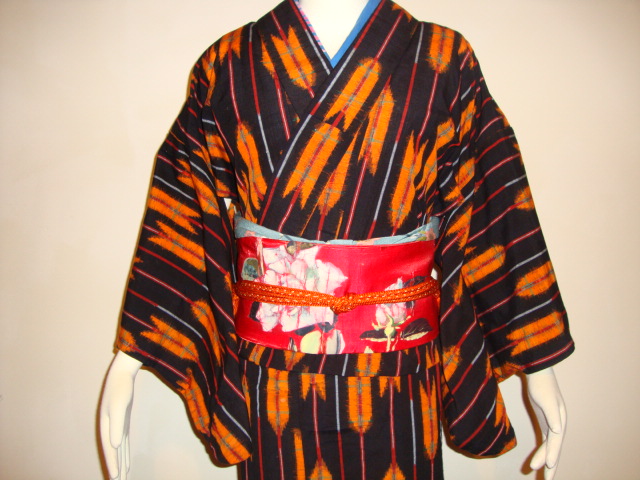
Types of Kimono
Different Styles for Different Occasions
There are many kinds of kimono, each suited to a specific age, event or season. Some of the most common types include:
- Furisode (振袖) – Long-sleeved kimono for unmarried women, often worn at Coming-of-Age Day and weddings
- Tomesode (留袖) – Formal kimono for married women, often black with elegant lower patterns
- Yukata (浴衣) – Lightweight cotton kimono worn in summer, perfect for festivals and casual outings
- Komon (小紋) – Informal kimono with small repeating patterns, suitable for everyday wear
- Montsuki (紋付) – Plain, black formal kimono for men, often worn with family crests
- Haori and Hakama (羽織・袴) – Kimono jacket and pleated skirt-trousers, often worn together for formal occasions or performances
Each type reflects different traditions, meanings and etiquette – part of what makes the kimono so fascinating.
Fabrics, Patterns and Meanings
More Than Decoration
Kimono fabrics often feature motifs that carry cultural or seasonal significance. Common themes include:
- Cranes (tsuru) – Longevity and good fortune
- Plum blossom (ume) – Resilience and early spring
- Waves (nami) – Strength and continuity
- Maple leaves (momiji) – Autumn beauty and reflection
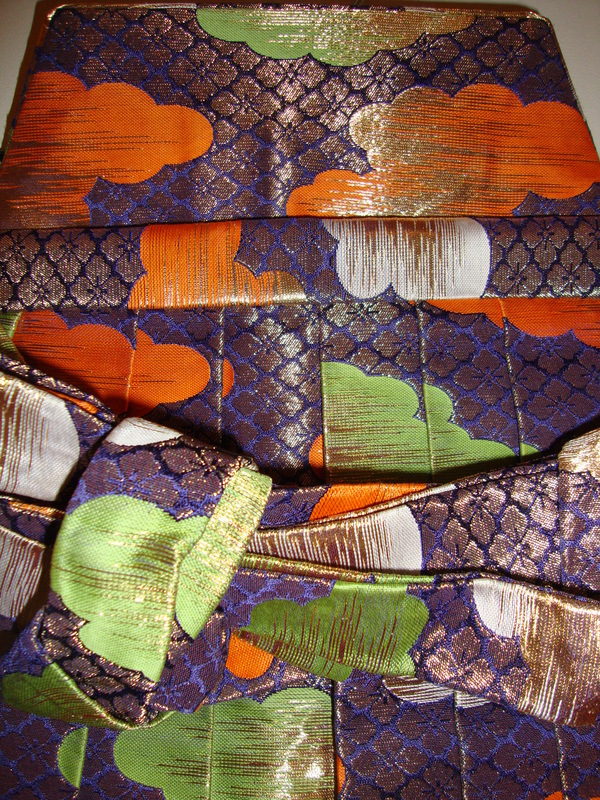
Silk is the most prized material for formal kimonos, while cotton and synthetic blends are used for casual styles. Obi belts, underlayers and accessories complete the look and often hold additional symbolism.

Interested in Wearing a Kimono?
We offer a range of kimonos for hire or purchase, along with fitting guidance and dressing services for events and photoshoots.